There is a storm a brewin’!
No worries, we caught shelter at a closed chiringuito and the sun came out again in 30 minutes – as it always does in Mallorca.

some travel, some fun, all me
There is a storm a brewin’!
No worries, we caught shelter at a closed chiringuito and the sun came out again in 30 minutes – as it always does in Mallorca.
Top o’ the morning to you, laddies!
Reminiscing of my trip to Ireland. Good times! Good Guinness! Such nice peeps!
Gorgeous views.

Now get thyself a pint and a shot of Jameson, stat. Have a blessed and lucky day!
It’s that time of the year again in Mallorca.
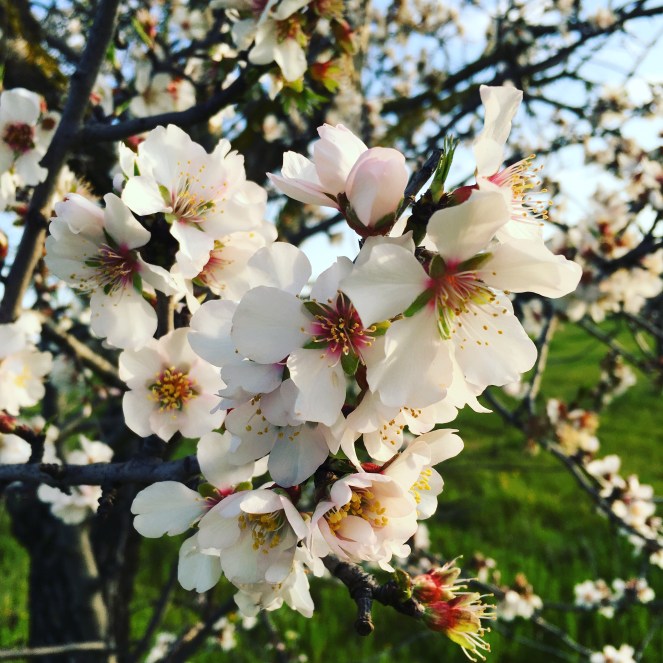
The almond trees are blossoming and all over the island are beautiful, white, bright pink and light pink flowers. When you drive around all you see are fields and fields of almond trees with stark white flowers filling up the the whole space. So gorgeous.
And they smell heavenly. Ahhhhhh, now cue the allergies.
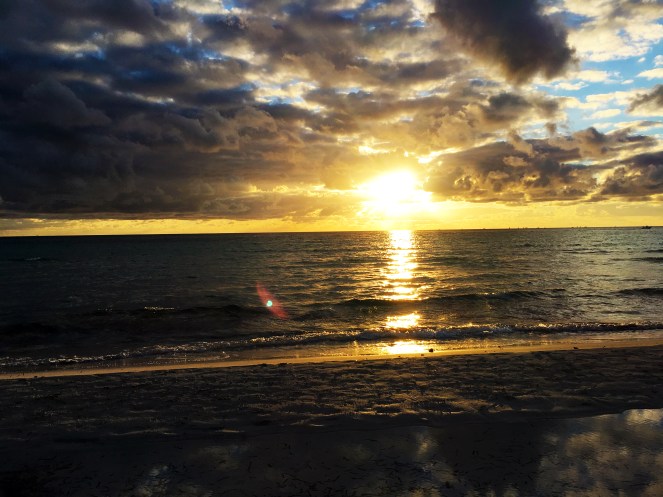
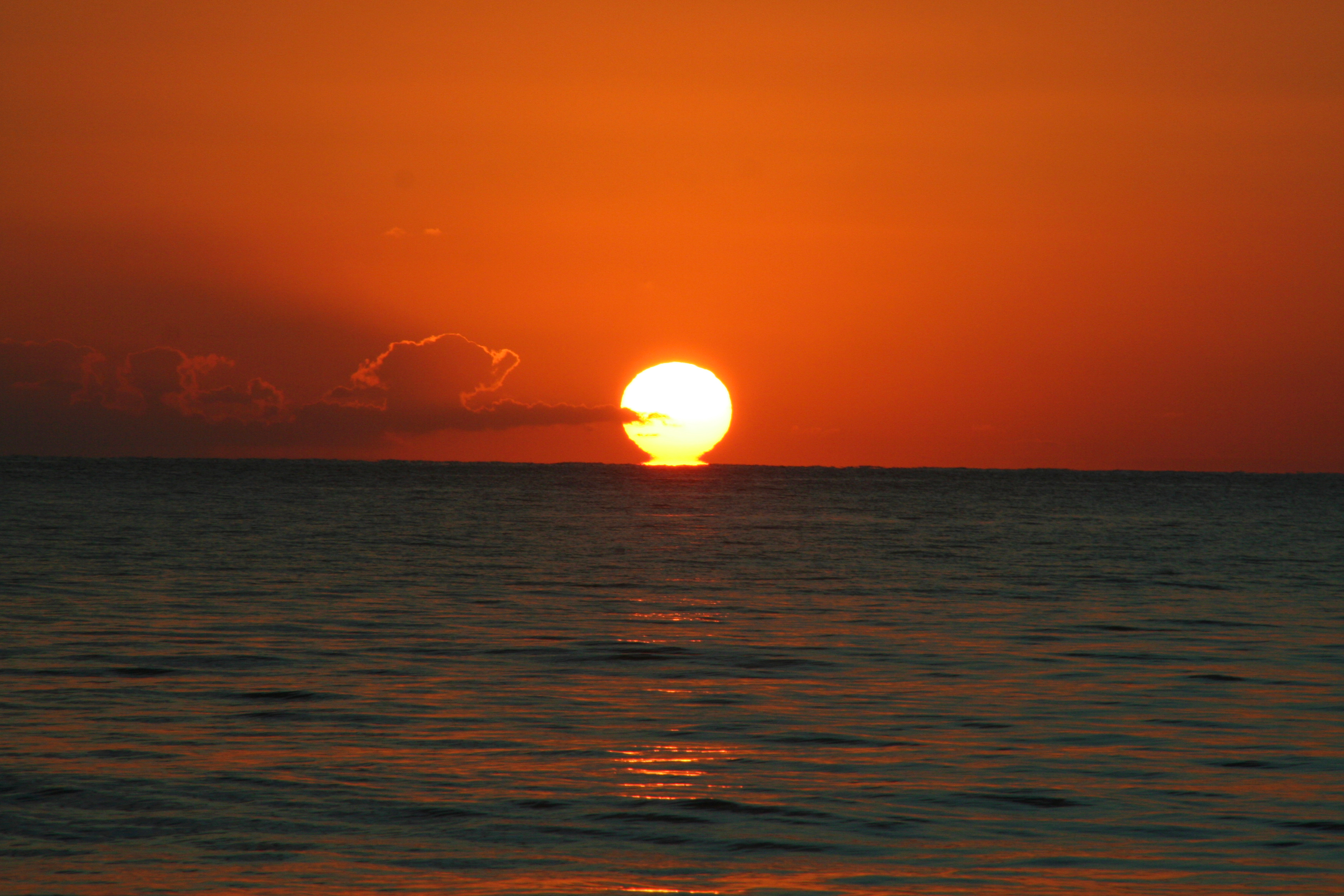
Happy New Year Y’all! Let’s rock this one. Felix and I have a New Year’s Day tradition of walking on the beach near sunset. First sunset of 2017. LOVES!
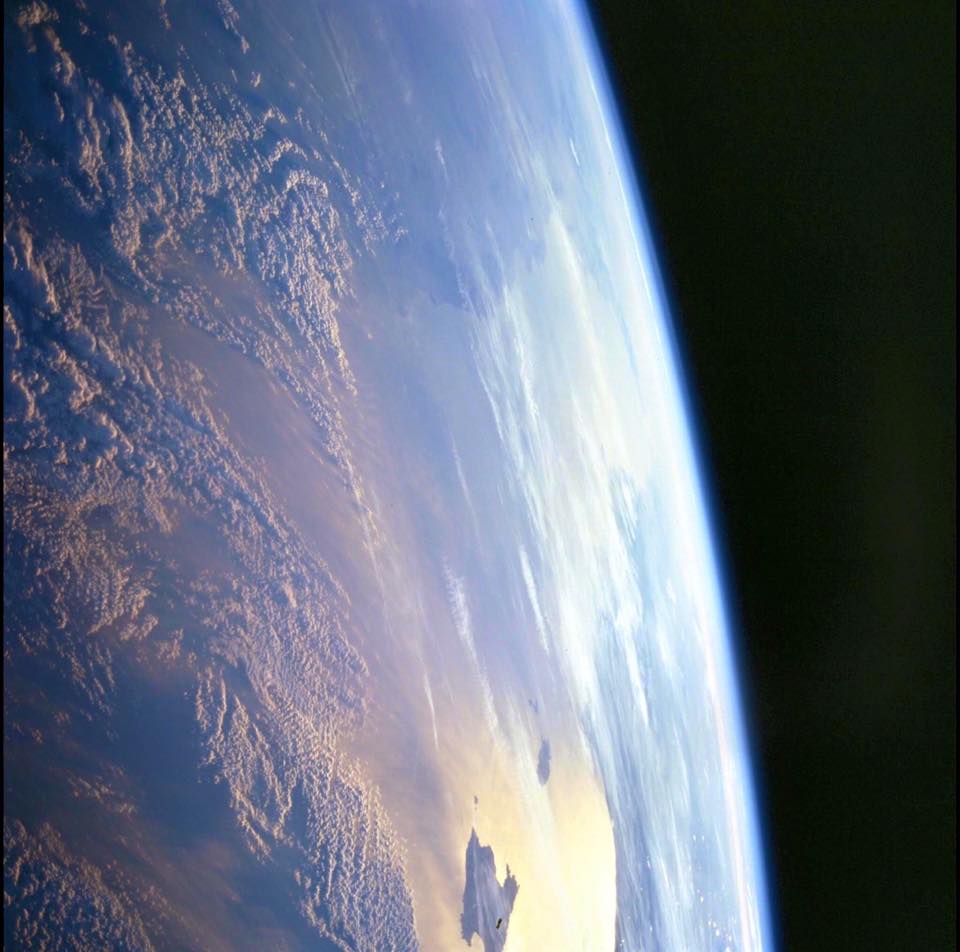
How cool is this? Taken from the International Space Station, you can see Mallorca the big island at the bottom, Spain is to the right in the picture. The small (but loverly) island of Cabrera is at the top far left of Mallorca and then you can see Ibiza and further on Formentera “above” Mallorca, with Africa at the top of the picture.
I REALLY love this pic. Maybe it’s a framer?
For some reason time has really, REALLY gotten away from me. I went to Marrakech, Morocco last year and I have been wanting to write about my experiences but … time. You know. So, here we are! Let’s talk about Marrakech/Marrakesh. However you are wanting to write it or pronounce it for that matter. My next few posts will be dedicated to my travels there.
I would like my first post to be about the fantastic and gorgeous riad that Perla 🙂 and I stayed at during our trip. A riad is a traditional Moroccan house or palace with an interior garden or courtyard. The word riad comes from the Arabian term for garden, “ryad”. The ancient Roman city of Volubilis provides a reference for the beginnings of riad architecture during the rule of the Idrisid Dynasty.
Our riad was Riad Dar Darma and it was so lovely. From the staff, to our room, the hospitality, the exquisiteness of the place – it became our home away from home. This was my first time in Morocco and I chose Marrakech because I had heard so many wonderful things about it. While I enjoyed it, it could often be a bit overwhelming in many situations. These I will speak to in my next blog. But Dar Darma was always a place we could come back to and relax. There were no worries here, everything was beautiful and calm. If we had questions, they would help us with the answer. If we wanted a book a reservation, they did it – and beyond!
We stayed in the Black Patio suite. It was three rooms – a sitting area with two chaise lounge chairs, a large mirror and a TV (which I don’t think we turned on even once), a bedroom was two poster beds that could be separated, a large armoire and two nightstands and a bathroom with a large marble tub and two sinks. This room overlooked a shady patio. For me, it was perfect. Here are a few pics from the room.
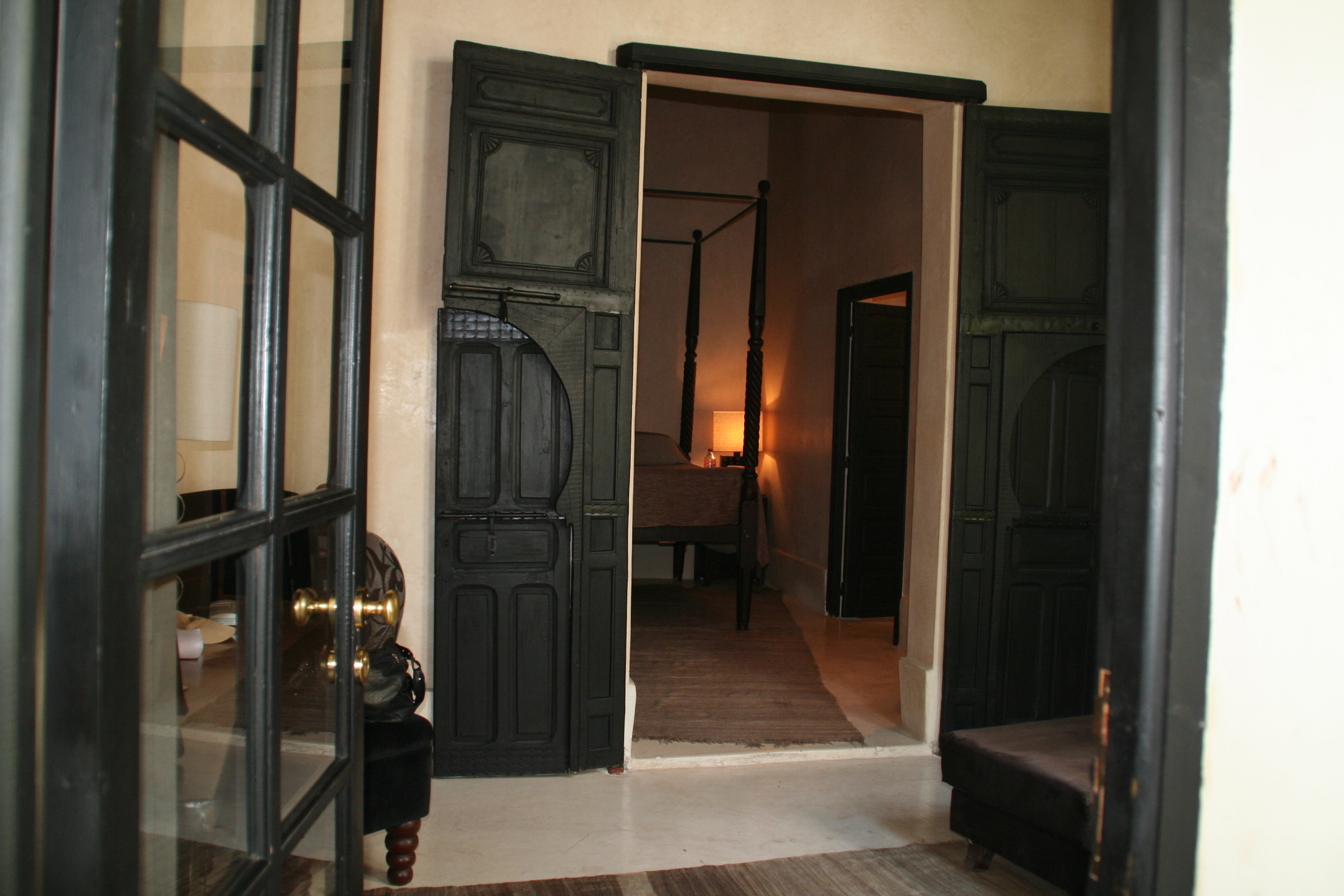
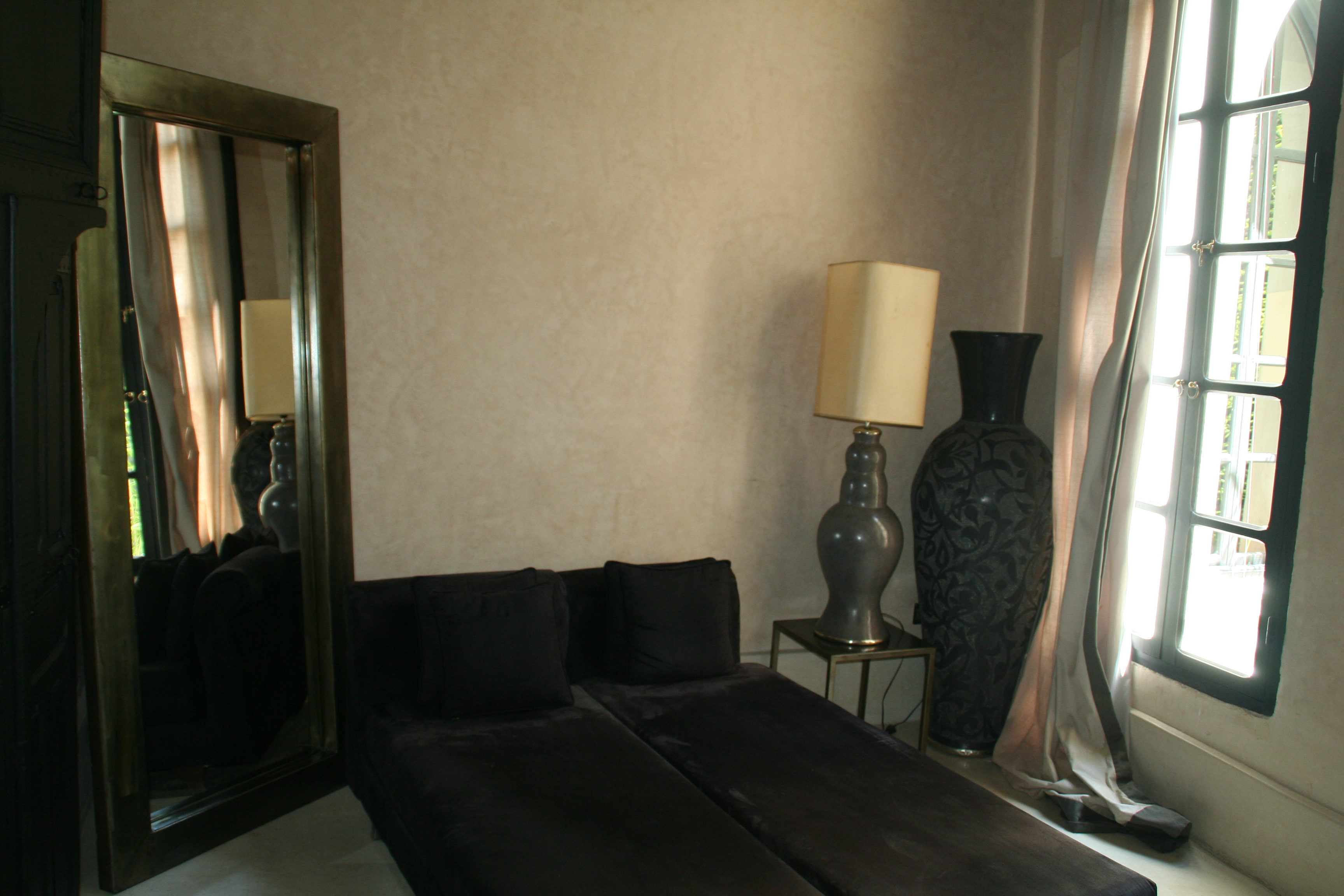
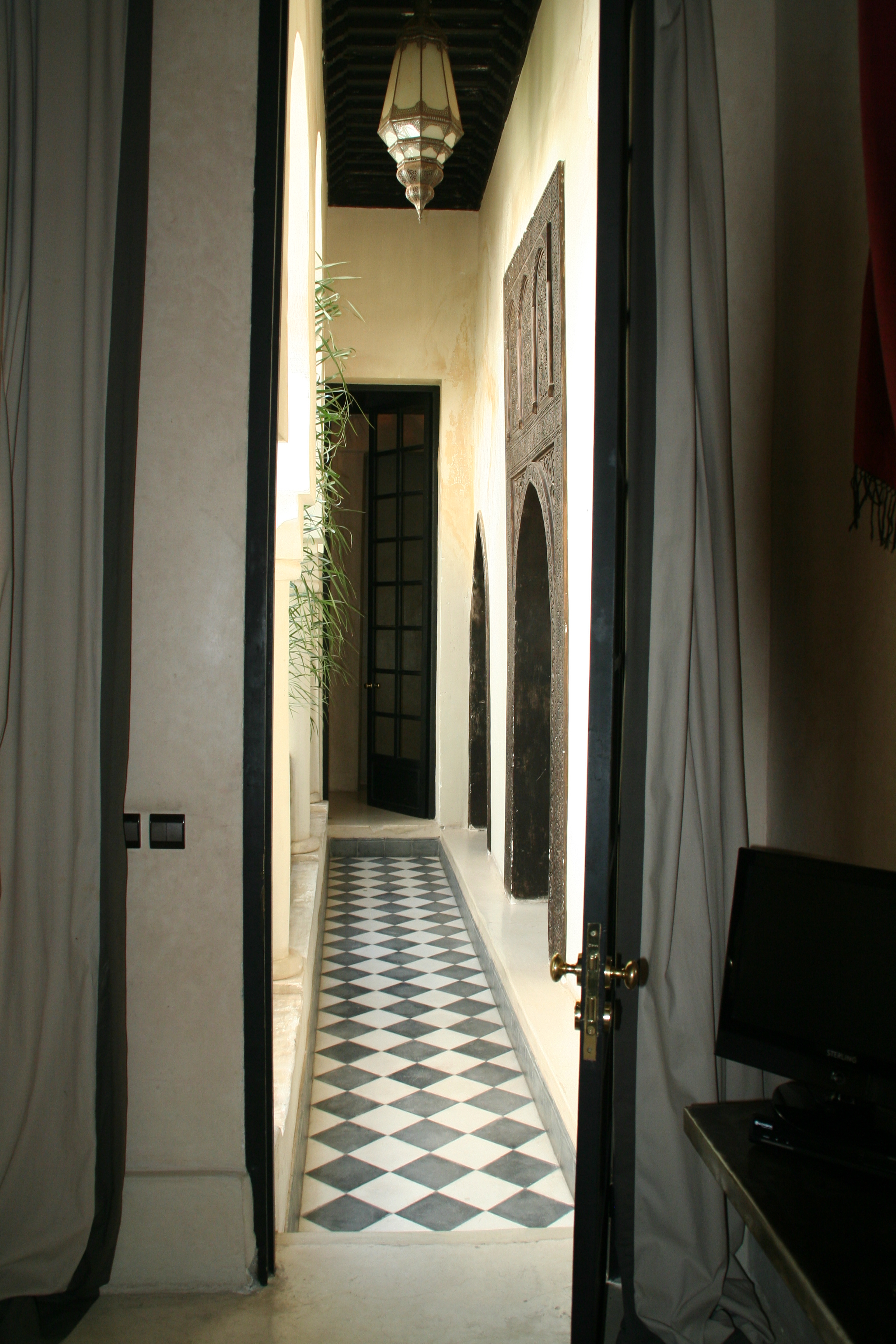
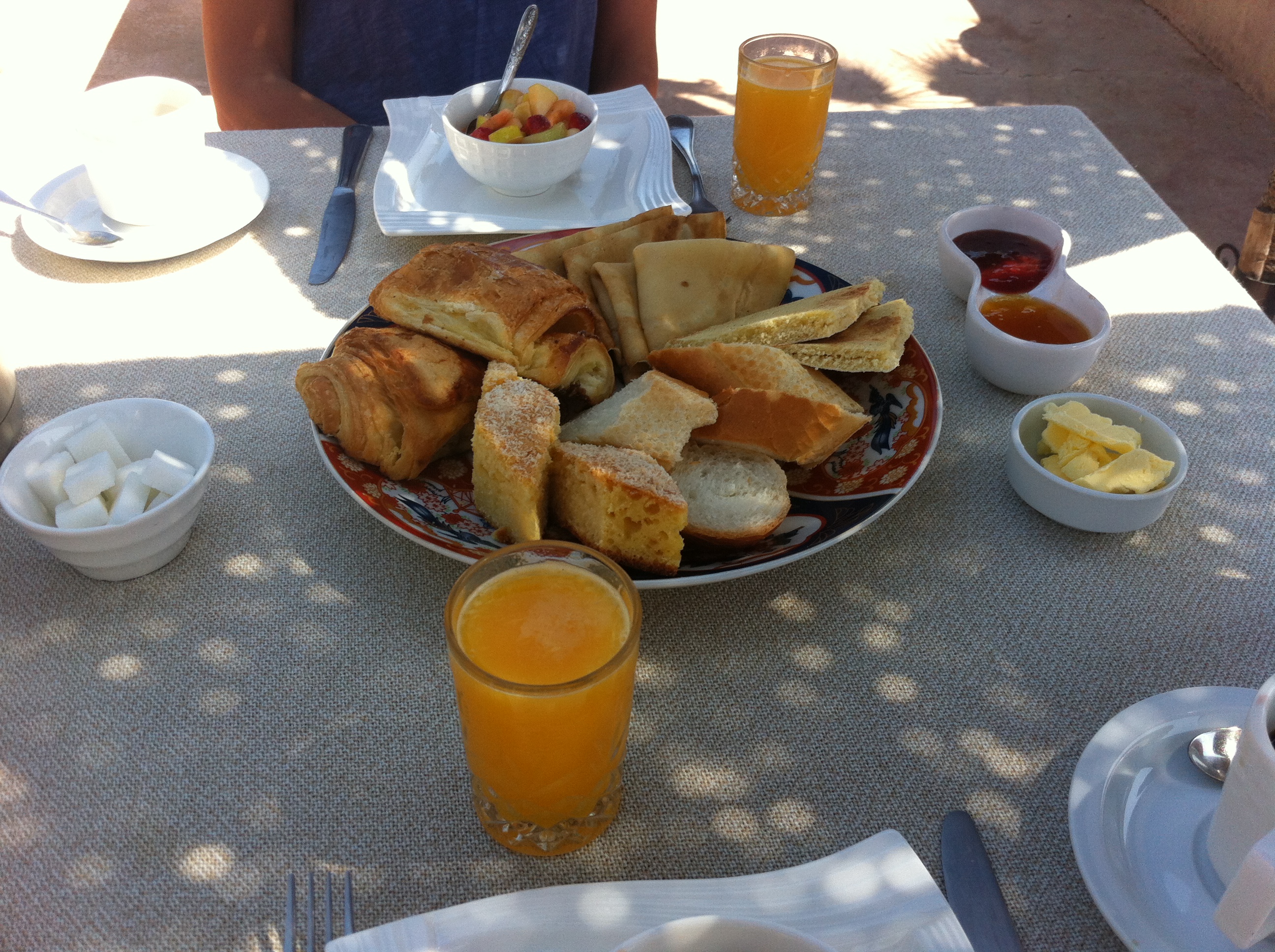
I’m not sure my pictures do it justice but the room was just what I was wanting. And the staff was over-the-top helpful. Pretty much, whatever you want or need help with, they will do it. Perls and I weren’t too demanding, pretty much a bottle of wine and that was it. And you know at most hotels you have set breakfast hours, which I understand but how nice was it to hear “When you get up, come upstairs to the terrace for breakfast.” And I said, what if we get up at 11? Then come upstairs then. And at 12, I asked. Then come upstairs then! I could have kissed them. I get to sleep until I want and still get my breakfast! And breakfast was delicious. Fresh fruit, fresh orange juice, a hot pot of coffee and fresh breads, crepes with jam and butter. Heaven!
We never had dinner at the riad but next time I will make sure I do. Their meals are all made using fresh ingredients and traditional Moroccan and international recipes.The classic dishes include: harira soup, meat or vegetable tajines, couscous, lemon chicken, freshly baked cakes, and fruit desserts.
They also have cooking classes with their cook Maria who can let you into the secrets of Moroccan recipes.
The terraces are so relaxing with lots of pillows and breathtaking views of the Koutoubia Mosque and the Atlas Mountains. They also have a hammam for you to use at your leisure.
The Dar Darma was a place that I truly needed for this first time experience in Marrakech. With a new and different and sometimes frustrating world that was the streets of Marrakech, Dar Darma was a comforting place to come back to. I so appreciated the happy faces and the courtesy and helpfulness I received there. I will definitely be back one day. Thank you Dar Darma! MWUAH.
Hey you guys! Happy New Year! Wishing you a 2015 filled with freedom and magic and dreams to come true! My 2014 was filled with friends, family and lots of travel. What more could a girl want? Okay … a few more ….. maybe 2015 will bring them!
As I watched the first sunset of 2015 I felt a positive force. Let’s do this.
The next day was Newgrange in County Meath, Ireland. Because of time constraints, I had looked into the places my mom wanted to go to, but never into much extent. So I was usually pleasantly surprised when we arrived to these sites, they were so interesting. Newgrange was the first of these stops.
Newgrange is a UNESCO World Heritage Site, which means it is a place (such as a forest, mountain, lake, island, desert, monument, building, complex, or city) that is listed by the United Nations Educational, Scientific and Cultural Organization (UNESCO) as of special cultural or physical significance. It is one of the two UNESCO sites in Ireland. Newgrange is also called Brú na Bóinne. It is a prehistoric monument in County Meath, Ireland, about a 30 minute drive from Dublin. It was built during the Neolithic period around 3200 BC, making it older than Stonehenge and the Egyptian pyramids! The site consists of a large circular mound with a stone passageway and interior chambers. The mound has a retaining wall at the front and is ringed by engraved kerbstones. There is no agreement about what the site was used for, but it has been speculated that it had religious significance – it is aligned with the rising sun and its light floods the chamber on the winter solstice.
There is no direct public access to Newgrange by road. Visitor access to Newgrange is only by guided tour from the Visitor Centre on the south side of the river Boyne. Newgrange is on the north side of the river Boyne, visitors cross the river by pedestrian bridge and take a shuttle bus to Newgrange. Tickets are sold at a first come, first serve basis and we were told to arrive early as tours do sell out. We arrived at 10 a.m. and had no problem with getting tickets. Adults are 6 euros and children are 3 euros.

Aren’t my parents adorable? 🙂 There behind them is the circular mound and within the mound is a chambered passage, which can be accessed by an entrance on the southeastern side of the monument. The passage stretches for 19 metres or about a third of the way into the center of the structure. At the end of the passage are three small chambers off a larger central chamber, with a high corbelled vault roof. Each of the smaller chambers has a large flat “basin stone”, which was where the bones of the dead were possibly originally deposited, although whether it was actually a burial site remains unclear.You can’t take pictures inside but here is one of the entrance.
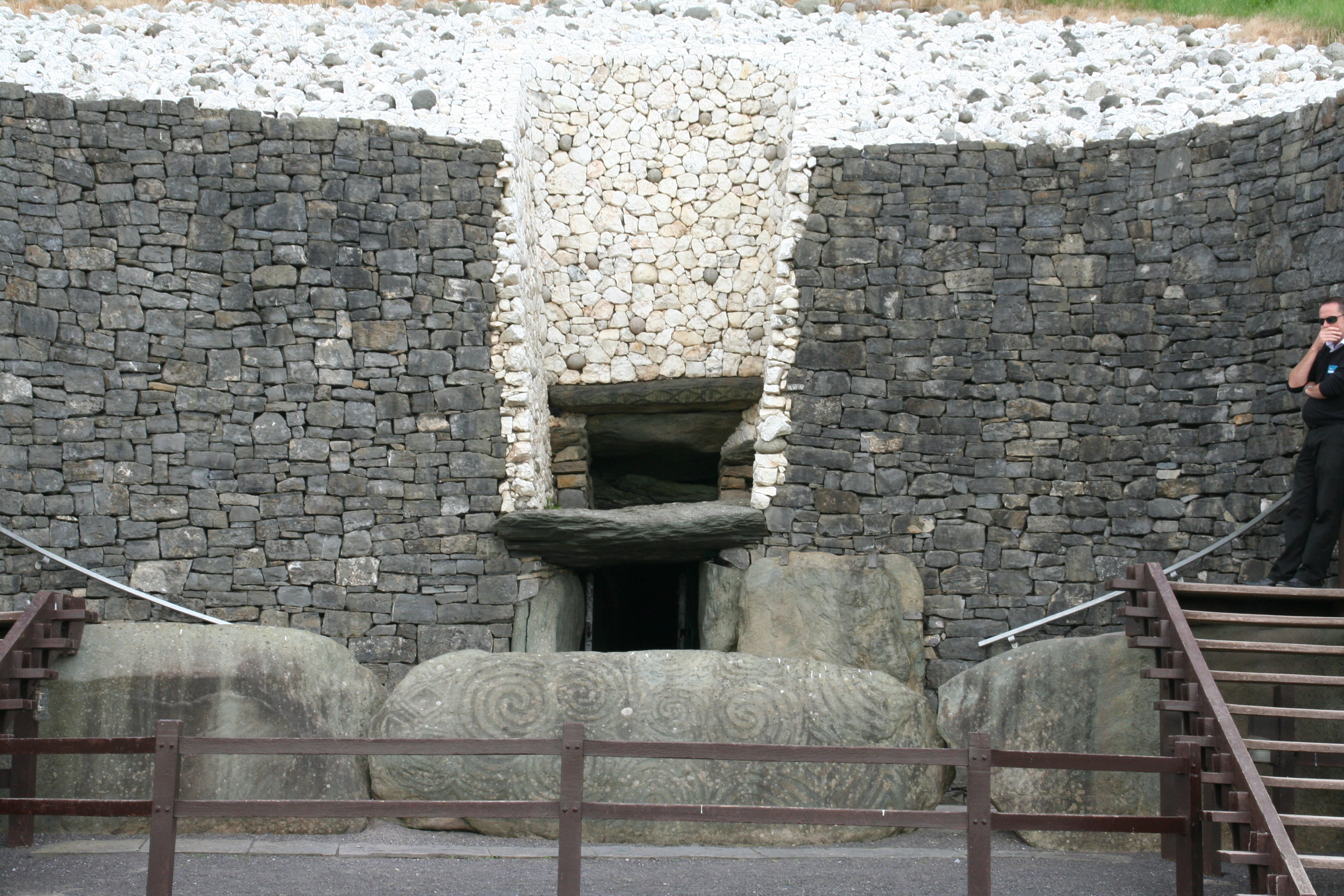
Do you see that large stone in front? Newgrange contains various examples of abstract Neolithic rock art carved onto it which provide decoration. These carvings fit into ten categories, five of which are curvilinear (circles, spirals, arcs, serpentiniforms and dot-in-circles) and the other five of which are rectilinear (chevrons, lozenges, radials, parallel lines and offsets). They are also marked by wide differences in style, the skill-level that would have been needed to produce them, and on how deeply carved they are. One of the most notable examples of art at Newgrange is the triskele-like features found on the entrance stone. (See above pic) It is approximately three metres long and 1.2 metres high, and about five tonnes in weight. It has been described as “one of the most famous stones in the entire repertory of megalithic art. Archaeologists believe that most of the carvings were produced prior to the stones being erected in place, although the entrance stone was instead carved in place before the kerbstones were placed alongside it.
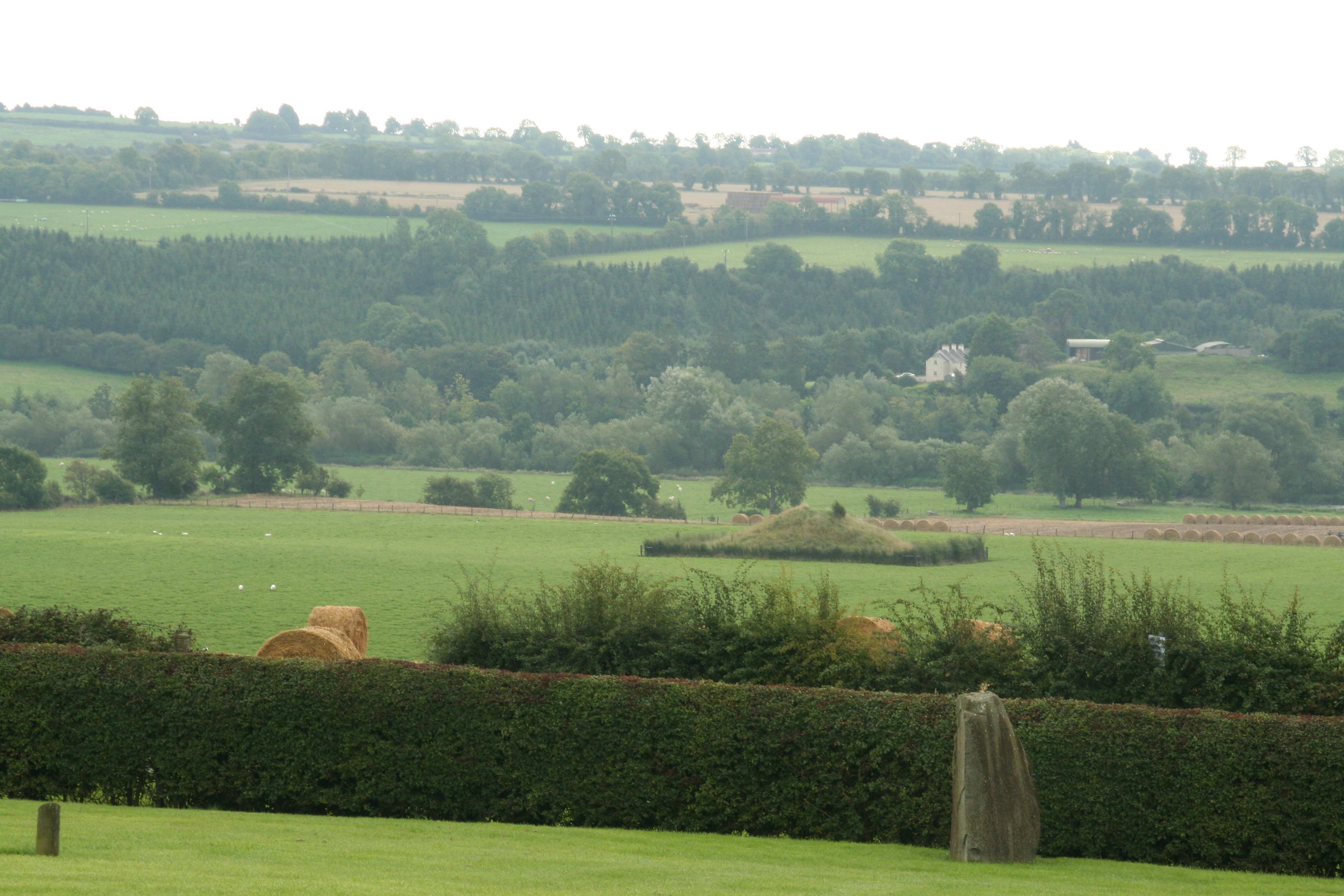
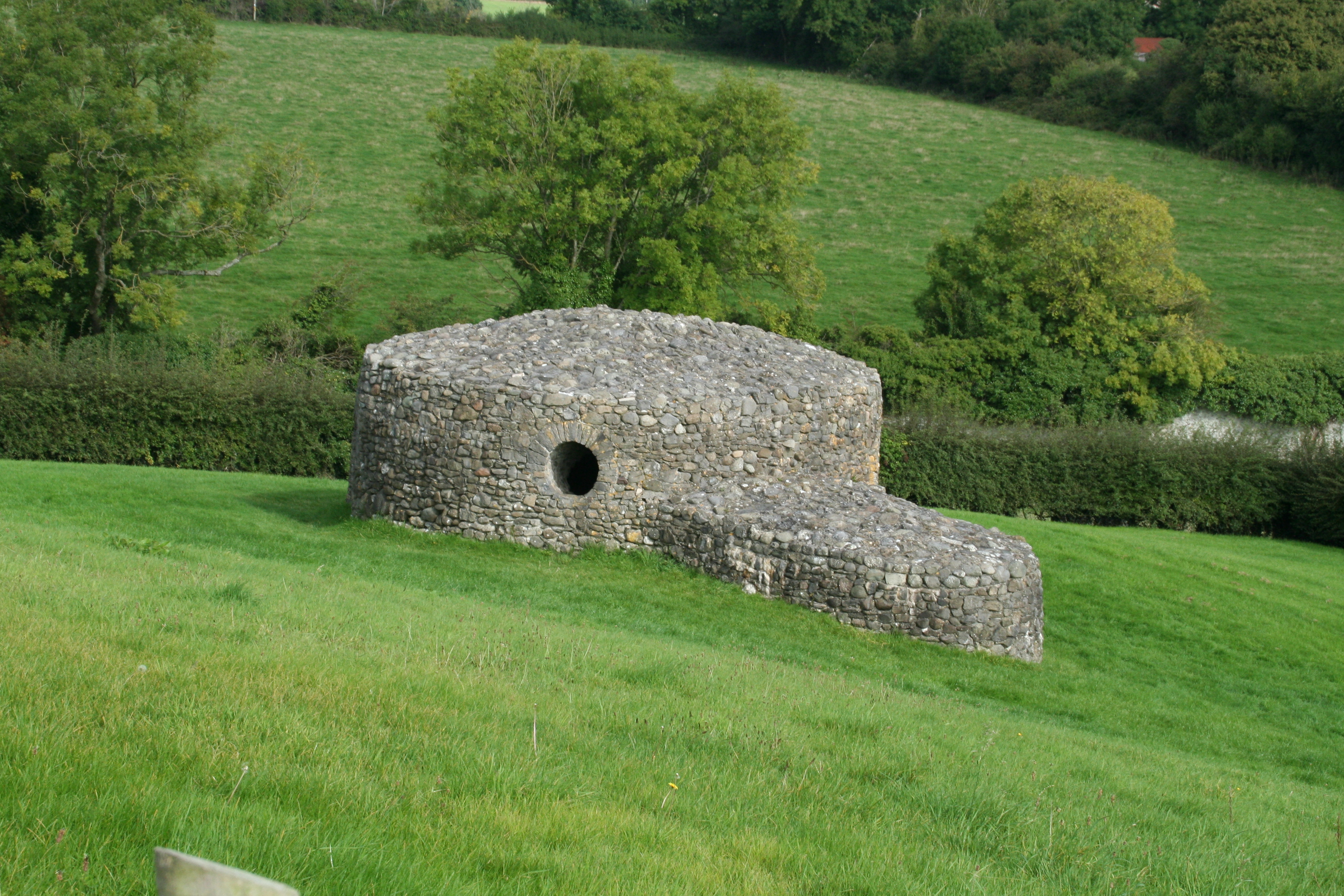
Check out the kerbstones, the Neolithic art, the possible tombs surrounding the mound and the structural slabs in the next few pictures. What was amazing to me was that geological analysis indicates that much of building materials used to construct Newgrange were littoral blocks collected from the rocky beach at Clogherhead, County Louth, approx. 20 km to the north-east. The blocks were possibly transported to the Newgrange site by sea and up the River Boyne by securing them to the underside of boats at low tide. Can you imagine? Remember this began around the year 3200 B.C. I was astounded.



I hope you enjoyed this post as much as I enjoyed seeing this place. It is a mysterious and fascinating site! I hope you will one day see it too. Until the next post, CHEERS!
 GOING NINETY MILES